
Blue Oyster Mushrooms Nutrition: Benefits and Easy Ways to Enjoy Them
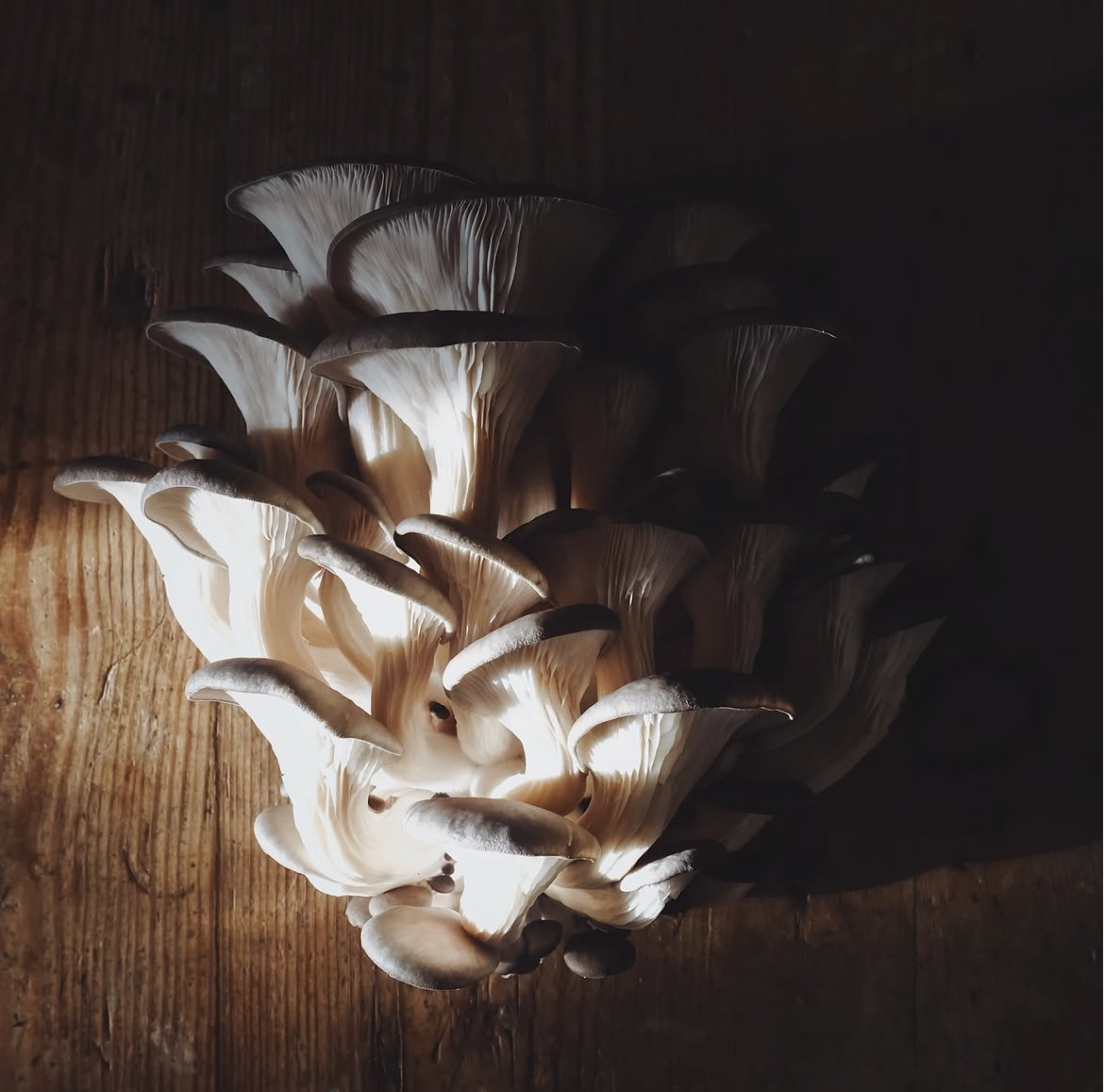
Blue oyster mushrooms are not only delicious but also packed with nutrition, making them a smart addition to everyday UK meals. Low in calories and a source of protein, they’re an excellent choice for balanced eating using fresh British produce. This guide breaks down their nutritional value and shares practical ways to include them.
Nutritional Profile of Blue Oyster Mushrooms
Per 100g fresh blue oyster mushrooms (approximate values):
Calories: 20–30 kcal
Protein: 3–4g (good plant-based source)
Carbohydrates: 3–4g (low)
Fibre: 2–3g
Fat: Very low (0.5g or less)
Key micronutrients:
B vitamins (niacin, riboflavin, pantothenic acid) for energy metabolism
Minerals: Copper, selenium, potassium and phosphorus
Antioxidants including ergothioneine
They are naturally vegan and gluten-free.
Why They’re a Smart Choice
Low in calories: Around 20–30 kcal per 100g, adding bulk and flavour to meals.
Low in fat: Naturally very low in fat.
Source of protein: A useful plant-based contribution, especially alongside lentils, eggs or nuts.
B vitamins: Niacin and riboflavin contribute to normal energy-yielding metabolism.
While not a miracle food, blue oysters complement a varied diet rich in UK seasonal vegetables.
How Nutrition Influences Cooking and Preparation
To preserve nutrients:
Cook gently — light sautéing or steaming retains more water-soluble vitamins than prolonged high heat.
Pair with healthy fats (e.g., olive oil) to improve absorption of fat-soluble compounds.
Use fresh for maximum nutritional benefit.
3 Nutritious Recipe Ideas
1. Blue Oyster and Lentil Salad (Serves 2, 15 minutes) Ingredients: 250g blue oyster mushrooms, 200g cooked lentils, mixed UK salad leaves, cherry tomatoes, cucumber, lemon vinaigrette with fresh herbs.
Method: Sauté mushrooms lightly, toss with lentils and veg. A filling, plant-based lunch.
2. Garlic Baked Blue Oysters (Serves 2, 20 minutes) Ingredients: 300g blue oysters, 2 garlic cloves, 1 tbsp olive oil, fresh thyme, lemon zest.
Method: Tear mushrooms, toss with seasoning and bake at 200°C (fan 180°C) for 15 minutes. Simple side or light main.
3. Blue Oyster Vegetable Frittata (Serves 4) Ingredients: 250g blue oysters, 6 eggs (or chickpea flour mix for vegan), spinach, spring onions, British courgettes.
Method: Sauté mushrooms and veg, pour over beaten eggs and cook gently. Nutritious brunch or dinner option.
Pairing for Maximum Nutritional Benefit
With greens: Spinach, kale or rocket for extra vitamins
Proteins: Lentils, eggs, or nuts
UK seasonal: Peas, asparagus, tomatoes in summer
Whole grains: Serve with brown rice or sourdough
These combinations create balanced, satisfying plates.
Common Mistakes to Avoid
Overcooking (reduces some heat-sensitive nutrients)
Relying solely on mushrooms for protein (combine with other sources)
Storing improperly (affects freshness and nutrient quality)
FAQ
1. How much protein is in blue oyster mushrooms? They provide 3–4g per 100g — a helpful contribution to daily needs, especially in plant-based diets.
2. How many calories in blue oyster mushrooms? Around 20–30 kcal per 100g, making them ideal for lighter meals.
3. What vitamins are in blue oyster mushrooms? They contain several B vitamins, including niacin and riboflavin, plus minerals such as copper.
4. Are blue oyster mushrooms low in fat? Yes — 0.5g or less per 100g.
5. How do they compare nutritionally to other mushrooms? Similar profile to other oysters but with attractive colour and delicate texture; all offer strong nutritional value when fresh.